


PRODUCTS

MiniMite Scanner
The handheld rotating bolthole scanners work with our line of NORTEC eddy current flaw detectors. Featuring a speed range of 600 to 3000 rpm, a frequency range of 100 kHz to 6 MHz, and supporting both 4-pin LEMO and 4-pin Fischer probe connectors, our scanners are suited for many industrial applications inspecting ferrous and nonferrous alloys
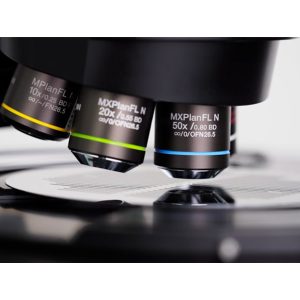

High End Material Science Objectives
High Numerical Aperture and Long Working Distance MX Plan Semi-Apochromat Objectives

High End Life Science Objectives
Objectives with high numerical aperture (NA), wide homogeneous image flatness, and an extended range of chromatic aberration compensation from 400 nm to 1000 nm
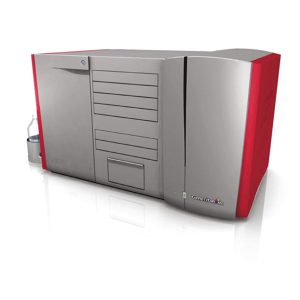
Genotyping
Agrigenomic microarray genotyping solutions provide breeders and researchers with powerful and flexible genotyping tools to cost-effectively identify, validate, and screen complex genetic traits in plants and animals. Thermo Fisher Scientific’s broad microarray portfolio of robust, accurate, customizable, and scalable genomic testing products facilitates high-throughput routine screening, marker-assisted selection, genome-wide association studies, quantitative trait loci analyses, parentage, and traceability, all of which help fast-track your genomic selection programs. From plants, livestock, aquaculture, and poultry to companion animals, our microarray technology can provide solutions to meet your everchanging needs.

BioMark-X – Real Time PCR Applications
Biomark™ X and a portfolio of integrated fluidic circuits (IFCs) and reagent kits facilitate a broad range of applications and throughput needs using real-time PCR. The versatility of the platform allows for both standard assays such as the Advanta™ Sample ID Genotyping Panel and custom assays produced using D3™ design services. Additional assays and sample-to-answer solutions are also available through a Developers Program that delivers customized assay design, panel design and automated solutions.

Juno – NGS Library Preparation
Increase productivity and efficiency with automated, cost-effective and easy-to-use workflows for targeted DNA next-generation sequencing (NGS) library preparation. Using Juno™ you can produce dozens to hundreds of sample libraries daily for hypothesis-free RNA-seq or targeted DNA NGS. Optimized for use with Illumina® sequencing systems in combination with Fluidigm supplied sample barcodes, Juno enables accurate sequencing of more samples—faster and more affordably than ever before.
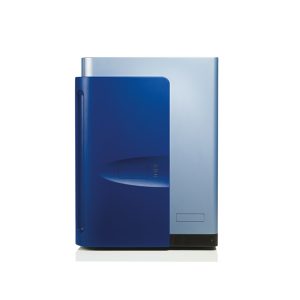

Advanta Assays
Combining microfluidics technology with optimized reagents produces high-quality results in less time. The Advanta™ product line is a growing offering of optimized reagents, panels and kits enabling a variety of genomic analysis and gene expression applications. Developed for use with our microfluidics-based genotyping systems for NGS library prep and multi-application PCR analysis, Advanta reagents deliver performance you can trust with workflow efficiencies that minimize hands-on time and reagent consumption while maximizing insightful data generation.
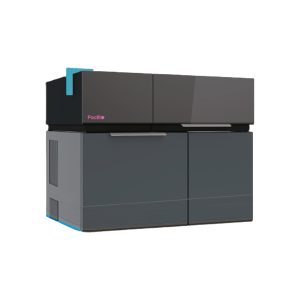
Onso – The Next Era in Short Read Sequencing
The Onso system is an innovative benchtop short-read DNA sequencing platform with an unprecedented level of accuracy using PacBio sequencing by binding (SBB) technology. Ultra-high Q40+ data quality allows you to break through limits of detection.
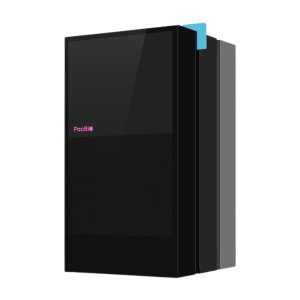
Revio – High Throughput Long Read Sequencing
The Revio system adds affordability, high throughput, and ease of use to a foundation of long reads, exceptional accuracy, and direct methylation detection.
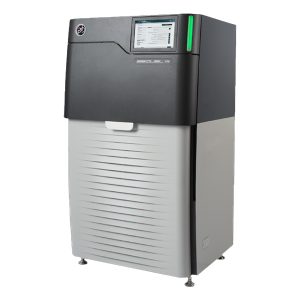
Sequel II Systems – Long Read Sequencing
The PacBio Sequel II and IIe systems provide all scientists with access to high throughput, cost effective, highly accurate long-read sequencing.

Single and Multi- mode plate readers – Absorbance, Fluorescence, Luminescence.
For over 30 years, Molecular Devices have partnered with scientists to expand the boundaries of their research. Molecular Devices microplate readers and software are the industry’s most cited and have empowered life science researchers to advance protein and cell biology―breaking the barriers to novel, landmark discoveries.